Aluminum Railing

How to Maintain Aluminum Railings Through Alberta’s Harsh Winters
aluminum railing maintenance in Alberta

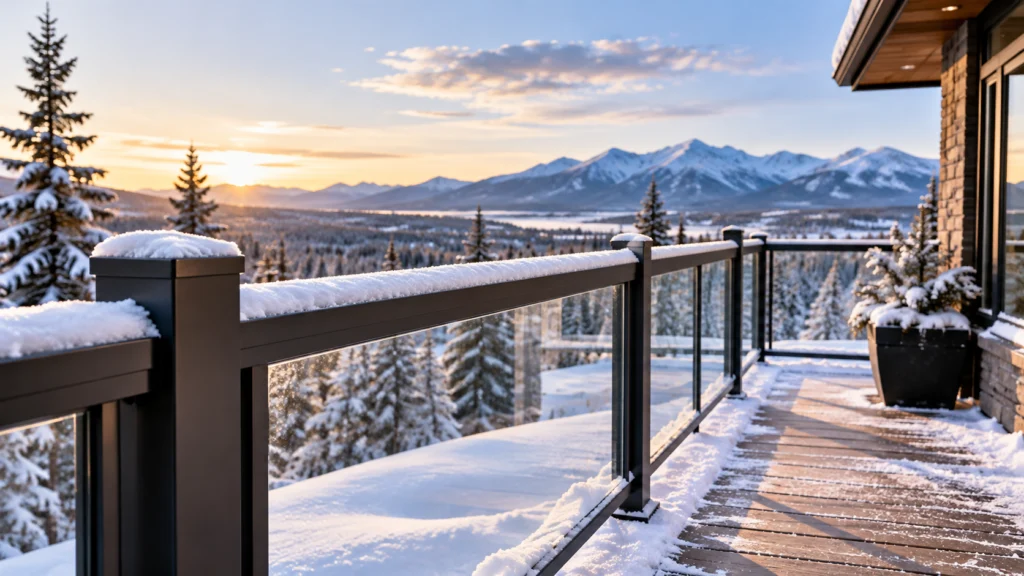
Alberta winters don’t go easy on anything left outdoors, and railings are no exception. Between sub-zero temperatures, heavy snowfall, stubborn ice buildup, and the freeze-thaw cycles that repeat throughout the season, exterior railings on decks, balconies, porches, and staircases take a real beating. That’s why seasonal inspection matters, even for materials built to withstand the elements. Aluminum railings are a popular choice for Alberta properties precisely because they resist corrosion and require relatively little upkeep compared to wood or steel. But “low-maintenance” doesn’t mean “no maintenance.” A bit of regular cleaning and inspection goes a long way toward preserving both the appearance and the structural reliability of your railing system. This guide walks through practical, Alberta-specific tips for aluminum railing maintenance so your railings stay safe, functional, and good-looking all winter long. Why Winter Maintenance Matters for Aluminum Railings Even though aluminum doesn’t rust the way steel or iron does, winter weather can still affect the overall performance and appearance of your railing system. Snow, ice, road salt, and temperature swings all interact with railings in ways that are worth understanding before the cold sets in. Snow and Ice Accumulation Heavy snow and ice tend to collect around railing posts, joints, and glass panels, especially after a storm or during periods of freezing rain. Left unaddressed, this buildup can add unnecessary weight and stress to connection points. Clearing it is important, but it needs to be done carefully to avoid scratching or chipping the railing’s finish. Road Salt and De-Icing Chemicals Salt residue and certain de-icing products can stain or damage powder-coated finishes, and they may also affect nearby metal components like fasteners or brackets. The safest approach is to rinse off salt deposits with water when possible and use only cleaning products approved for your specific railing system. Temperature Changes and Structural Movement Alberta’s freeze-thaw cycles can cause fasteners, mounting points, and adjacent building materials to expand and contract. If you notice looseness or movement in your railing, it doesn’t necessarily mean the railing itself has failed. It’s often worth checking the surrounding structure first before assuming the aluminum is at fault. 7 Essential Tips for Aluminum Railing Maintenance in Alberta Here’s a practical checklist to help you keep your railings in good shape all winter. 1. Clean Your Railings Before Winter Arrives Before the first snowfall, wash your railings with mild soap, lukewarm water, and a soft cloth or sponge. This removes dust, dirt, pollen, and other residue that could otherwise interact with snow and ice later in the season. Rinse thoroughly and let the surfaces dry whenever weather conditions allow. 2. Remove Snow Carefully When it’s time to clear snow, reach for a soft-bristled brush or a plastic snow-removal tool rather than a metal shovel or sharp scraper. Avoid using excessive force, which can scratch the finish, and never strike ice directly against railing posts or glass panels to break it loose. 3. Inspect Posts, Fasteners, and Mounting Points Periodically check for loose screws, brackets, anchor points, or any unusual movement. Pay close attention to shifting at deck edges, stair connections, and balcony attachments. If you notice instability or signs of structural damage, it’s worth arranging a professional inspection rather than guessing at the cause. 4. Rinse Away Salt and Chemical Residue Whenever temperatures allow for safe cleaning, rinse off salt deposits before they accumulate over the season. Letting residue sit for months increases the risk of staining or finish damage. Always follow the manufacturer’s instructions for cleaning frequency and recommended products. 5. Protect the Powder-Coated Finish Skip abrasive pads, harsh acids, strong alkaline cleaners, and unapproved solvents, all of which can wear down a powder-coated finish over time. If you’re considering paint or touch-up coatings, check the manufacturer’s recommendations first. Regularly inspect for scratches, chips, or peeling, and address any issues according to the product guidelines. 6. Check Glass Panels and Rail Connections If your railing system includes glass panels, inspect them for visible cracks, chips, or signs of movement. Look closely for damaged gaskets, loose clamps, or gaps around connections. Keep glass surfaces clean with a suitable glass cleaner, following the system manufacturer’s guidance. 7. Perform a Spring Inspection Once winter has passed, give your railing a thorough once-over. Check for accumulated dirt, finish damage, and any loose components, and clean away remaining residue. It’s also a good idea to examine surrounding deck boards, concrete, or mounting surfaces. Any safety-related issues should be assessed before the space sees regular use again. What Should You Avoid When Maintaining Aluminum Railings in Winter? A few common mistakes can shorten the lifespan of an otherwise durable railing system: Generally speaking, gentle cleaning and timely inspections do more for your railing’s longevity than aggressive winter cleaning ever will. How Often Should You Maintain Aluminum Railings in Alberta? A simple seasonal schedule helps keep maintenance manageable: Frequency Recommended Task Before winter Clean railings and inspect the full system During winter Remove snow carefully and check for salt residue or visible damage After major storms Check for unusual movement or impact damage In spring Conduct a thorough cleaning and post-winter inspection Annually Arrange a professional inspection if needed, particularly for older or heavily used systems The exact schedule depends on your property’s exposure, usage, local conditions, and the manufacturer’s recommendations, so treat this as a starting point rather than a strict rulebook. Are Aluminum Railings a Good Choice for Alberta Winters? Aluminum’s natural corrosion resistance, paired with a quality powder-coated finish, makes it a strong option for Alberta’s harsh climate. Compared to materials that need frequent painting, staining, or rust prevention, aluminum railings generally ask less of homeowners and property managers over the long run. That said, proper installation, compatible fasteners, and suitable mounting surfaces all play a role in how well a railing system performs over time. Aluminum is low-maintenance, not maintenance-free, and the environment it’s installed in still matters. Omega’s website highlights its powder-coated aluminum railing systems, residential and commercial applications, and low-maintenance design, which reflects this balance
Aluminum Railings vs. Steel Railings: Which Is Better for Alberta Homes?

aluminum vs steel railings in Alberta

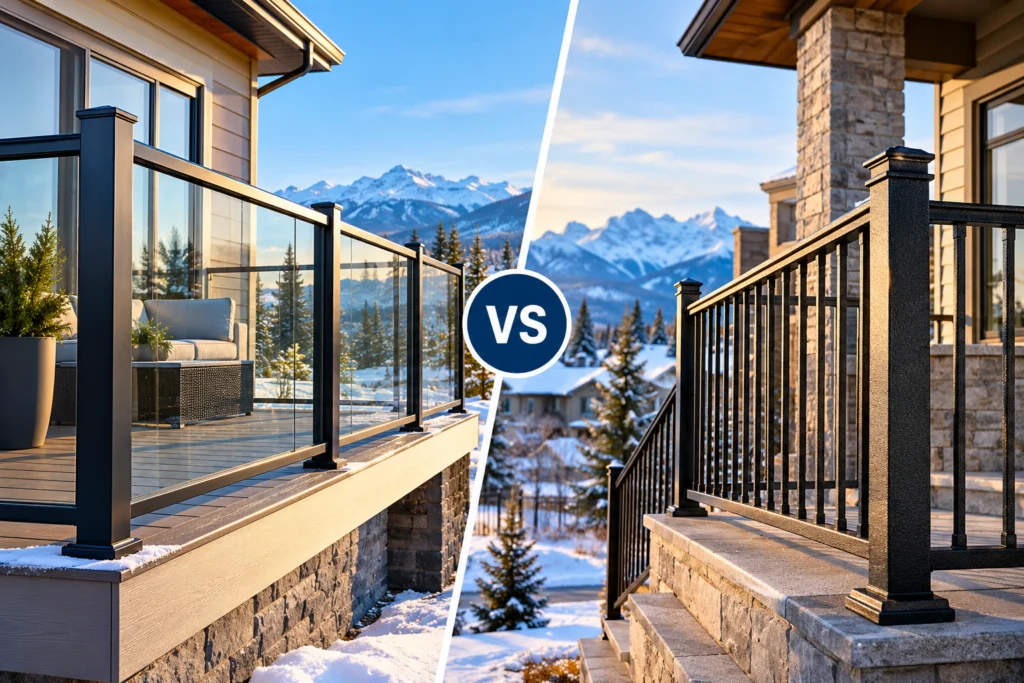
When comparing aluminum vs steel railings in Alberta, homeowners should look beyond initial installation costs and consider how each material performs through repeated winters and changing weather conditions. Alberta’s climate puts exterior railings through a tough annual cycle — deep freezes, heavy snow loads, moisture from melting ice, and sharp temperature swings that can stress even well-built structures. Aluminum and steel are the two most popular railing materials for residential properties, and each brings distinct strengths to the table. The right choice ultimately comes down to maintenance requirements, appearance preferences, structural needs, budget, and how the railing will be used. This guide breaks down the key differences so you can make an informed decision for your deck, balcony, porch, or staircase. Understanding Aluminum and Steel Railings What Are Aluminum Railings? Aluminum railings are manufactured from lightweight metal extrusions and are commonly finished with protective powder coatings for added durability and visual appeal. This lightweight construction makes aluminum a popular choice for decks, balconies, and porches, where ease of handling and installation matter. Aluminum naturally resists corrosion, and modern systems are available in a wide range of colours, profiles, and styles — from sleek contemporary lines to more traditional picket designs. What Are Steel Railings? Steel railings offer a strong, rigid option well-suited to applications that demand significant structural support. Standard steel differs from galvanized or otherwise coated steel in how it resists moisture and corrosion over time — a distinction that matters in Alberta’s climate. Steel is frequently used in traditional, contemporary, and decorative railing designs, including intricate ornamental ironwork that’s difficult to replicate in other materials. Aluminum vs. Steel Railings in Alberta: Key Differences Comparison Factor Aluminum Railings Steel Railings Corrosion resistance Naturally forms a protective oxide layer; coatings add further protection Depends on steel type and protective treatment Weight Generally lightweight Generally heavier Strength and rigidity Suitable when properly engineered for the application High strength and rigidity, depending on design Maintenance Typically low maintenance May require more coating inspections and rust prevention Winter performance Performs well outdoors with appropriate materials and installation Can perform well when protected against corrosion Design options Clean, modern, and versatile styles Modern, traditional, and ornamental styles Installation Lighter components may simplify handling Weight and fabrication can affect installation Cost Depends on product quality and system design Depends on steel type, fabrication, and finish It’s worth noting that no material is universally stronger, cheaper, or longer-lasting across every scenario. Actual performance depends heavily on the specific railing system, finish, design, installation quality, and site exposure. Weather and Winter Performance Alberta’s snow, moisture, and freeze-thaw cycles put consistent pressure on exterior railings. Aluminum resists rust by nature, while steel relies on protective coatings — such as galvanizing or powder coating — to hold up against the same conditions. Regardless of material, every railing system needs proper drainage, secure fasteners, and correct installation to perform reliably through Alberta winters. Maintenance and Long-Term Durability Maintenance needs differ meaningfully between the two materials. Steel railings typically call for more frequent cleaning, repainting, coating inspections, and corrosion prevention, especially in areas prone to chipped or scratched finishes. Powder-coated aluminum, by comparison, tends to reduce routine maintenance demands significantly. If a steel coating becomes damaged, it’s important to repair it promptly — exposed steel can begin rusting quickly once moisture gets in. Installation and Structural Requirements Material weight, railing configuration, anchoring method, and site conditions all influence how a railing is installed. Lighter aluminum components can simplify handling and reduce installation complexity, while steel’s added weight may require more robust anchoring and fabrication planning. Whichever material you choose, the railing system must be designed to meet applicable building-code requirements for height, load, and spacing. Pros and Cons of Aluminum Railings for Alberta Homes Advantages Potential Limitations Homeowners researching aluminum deck railings in Alberta often find that outdoor aluminum railings strike a strong balance between appearance and low-maintenance railing systems, particularly for properties where seasonal upkeep is a priority. Pros and Cons of Steel Railings for Alberta Homes Advantages Potential Limitations Steel isn’t inherently unsuitable for Alberta winters. Its real-world performance depends on the grade of steel used, the quality of its finish, its exposure to the elements, and how consistently it’s maintained. Which Railing Material Offers Better Value Over Time? Rather than focusing solely on the initial purchase price, it’s worth weighing total cost of ownership across several factors: For homeowners seeking lower long-term maintenance, aluminum often delivers better value over time. Properly protected steel, meanwhile, can still be worthwhile when specific design or structural requirements call for it. Because pricing varies by region, product quality, and system design, it’s best to request a local quote rather than rely on general estimates. Which Is Better for Different Areas of Your Home? Decks and PatiosAluminum is a practical option for homeowners seeking a weather-resistant, low-maintenance railing that holds up well across multiple seasons without frequent touch-ups. BalconiesAluminum picket and glass-panel systems work well for balconies, particularly where unobstructed views and a clean, modern appearance are priorities. Exterior StairsBoth aluminum and steel can work for exterior stairs, depending on grip requirements, handrail design, anchoring method, and the structural demands of the staircase. Decorative EntrywaysSteel is often the better fit for intricate ornamental designs, while aluminum can suit homeowners who prefer simpler, more modern lines at the entryway. Why Consider Aluminum Railings from Omega Aluminum Railing System? Omega Aluminum Railing System provides railing solutions for both residential and commercial properties across Alberta. Its product range includes aluminum picket railings, glass-panel railings, and a variety of top-rail styles, giving homeowners flexibility to match their property’s existing architecture. Available powder-coated colours include black, white, and bronze, covering a range of common exterior palettes. Omega also highlights its patented interlocking technology, designed to simplify installation and support a clean, consistent finish. Its railing systems are engineered to meet applicable safety and building-code requirements, giving homeowners added confidence in long-term performance. Planning a deck, balcony, or stair railing upgrade? Explore Omega Aluminum Railing System’s aluminum railing

How to Choose the Right Railing Height for Residential and Commercial Properties

railing height requirements in Alberta

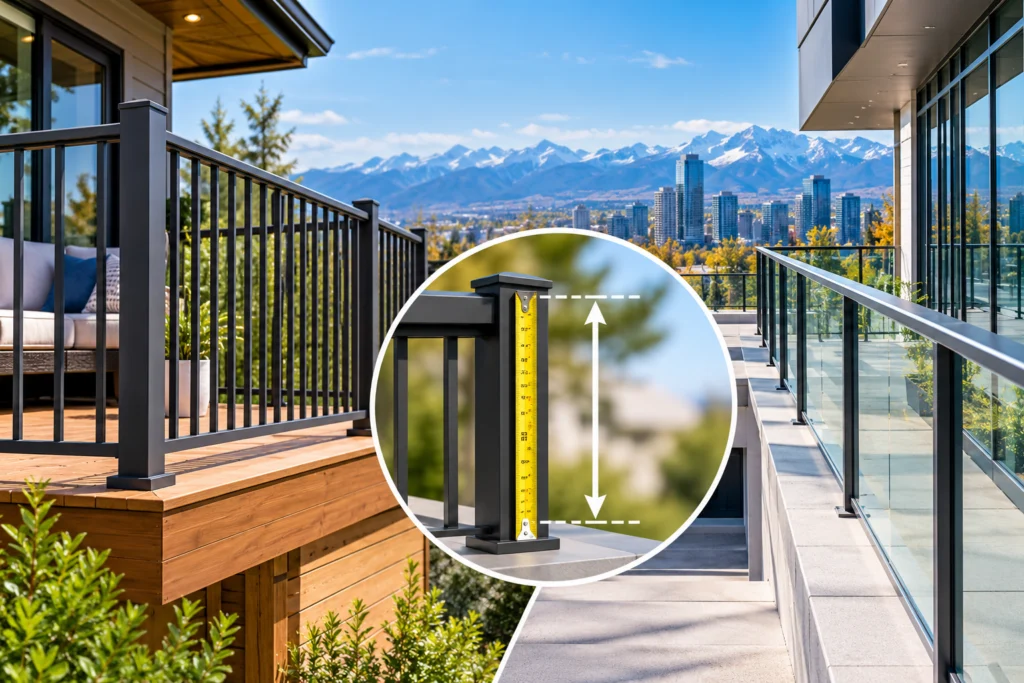
Railing height isn’t just a design detail. It’s a safety requirement that protects people from falls, keeps your property compliant with local building regulations, and shapes how a space looks and functions. Get it wrong, and you could be facing failed inspections, costly rework, or worse — an actual safety hazard. Railings show up everywhere: residential decks, balconies, staircases, patios, commercial buildings, and elevated walkways. Each of these applications comes with its own height considerations, and the right requirement for your project depends on several factors, including the property’s use, its location, the elevation involved, and the building regulations that apply to it. In Alberta, railing height requirements are governed by provincial and municipal codes that vary depending on whether you’re building a residential deck or a commercial mezzanine. Understanding these requirements before you start a project — not after — can save you time, money, and frustration. This guide walks through what influences railing height requirements in Alberta, how residential and commercial applications differ, and what to consider when selecting a railing system. We’ll also look at why aluminum railings have become a popular option for property owners who want durability without excessive maintenance. Understanding Railing Height Requirements in Alberta Before specifying or installing any railing, it’s essential to confirm what the applicable Alberta Building Code and your local municipality require. Alberta’s current building discipline code is the National Building Code – 2023 Alberta Edition, second printing, which came into force in August 2026. Requirements should always be verified against the applicable provisions and local authority guidance, since codes are updated periodically and municipalities may layer on additional requirements (Official Alberta building codes). Railing height requirements can differ significantly between residential and commercial applications. A single-family deck doesn’t carry the same requirements as a public-facing commercial walkway, largely because of differences in expected foot traffic, occupancy classification, and risk exposure. It also helps to understand the distinction between two terms that often get used interchangeably but mean very different things: Railing height is generally measured vertically from the applicable walking surface to the top of the guard or handrail, depending on the specific code provision in question. The exact measurement point can vary, so this is one of the first things to confirm with your local authority. When determining your project’s requirements, there are several key points worth covering upfront: Skipping this step is one of the most common — and costly — mistakes property owners make. Common Railing Height Considerations for Residential Properties Deck and Patio Railings Elevated decks need fall protection appropriate to their height above grade. The required railing height typically depends on the difference in elevation between the deck surface and the surrounding ground — the higher the deck, the more stringent the requirement tends to be. As a local example, Calgary’s published guidance identifies 900 mm for decks less than 1.8 m above adjacent ground, and 1,070 mm for decks at or above that height, under the cited code provisions. These figures illustrate how municipal guidance can get specific, but they shouldn’t be treated as universal. Always verify the applicable current code before construction begins, since requirements can vary by municipality and may be updated over time. Balcony Railings Balconies demand careful attention to more than just height. Guard strength and opening restrictions matter just as much, particularly in multi-story buildings where the consequences of a failure are more severe. Selecting a system suitable for your building’s height and occupancy is essential. For homeowners who want safety without sacrificing their view, aluminum and glass railing options offer a practical middle ground — both can meet fall-protection requirements while keeping sightlines open. Staircase and Landing Railings Stair railings bring their own set of considerations. A stair handrail, which provides support for someone ascending or descending, is different from a guard along an open stairway, which prevents falls from the side. Key factors here include: It’s worth noting that staircase railing requirements shouldn’t be assumed to match deck railing dimensions. These are different applications with different code provisions, so check the specific requirements for your staircase configuration rather than applying a one-size-fits-all approach. Railing Height Requirements for Commercial Properties Offices, Retail Buildings, and Public Spaces Commercial projects often carry different requirements than private homes, largely due to higher occupant loads and public accessibility. This applies to elevated walkways, entrance platforms, balconies, mezzanines, and accessible routes. Because these areas see frequent public use, structural strength and safe design take on added importance. A railing system that works for a quiet residential deck may not be adequate for a busy retail entrance. Multi-Family Residential and Mixed-Use Buildings Apartment buildings, condominiums, shared terraces, and common balconies occupy something of a middle ground between residential and commercial requirements. Occupancy classification, building configuration, and the applicable code provisions can all influence the required railing height for these spaces. Given this complexity, coordinating railing specifications with architects, builders, and inspectors early in the project is one of the best ways to avoid costly surprises later. Industrial and Workplace Applications Workplace guardrails can fall under occupational health and safety rules in addition to standard building requirements, which adds another layer to consider. Temporary construction guardrails and permanent architectural railings can also have different requirements from one another. Before specifying an installation in an industrial or workplace setting, check the relevant workplace safety rules alongside the applicable building code. Factors to Consider When Choosing the Right Railing Height 1. Building Code Compliance Start with the applicable code and local approval requirements before selecting a railing design. This should always be your first step, not an afterthought once materials have already been ordered. 2. Property Type and Intended Use Consider whether the railing is for a private deck, public balcony, commercial walkway, staircase, or industrial environment. Each use case comes with different expectations around traffic, risk, and regulatory oversight. 3. Safety and Fall Prevention Think through the elevation involved, expected foot traffic, opening sizes between balusters, and whether the design inadvertently creates a climbing

Why Powder-Coated Aluminum Railings Suit Alberta’s Changing Weather

powder coated aluminum railings in Alberta

Alberta’s weather doesn’t do subtlety. Winters bring freezing temperatures, heavy snow, and ice, while summers swing into strong sun and sudden temperature shifts. Outdoor railings on homes and commercial buildings need to handle all of it without compromising safety or curb appeal. That’s where powder-coated aluminum railings in Alberta come in. Unlike wood, which can rot and warp, or steel, which can rust when its protective layer fails, aluminum offers a naturally corrosion-resistant base. Pair that with a quality powder-coated finish, and you get a railing system built to handle freeze-thaw cycles, moisture, and UV exposure year after year. In this post, we’ll break down what powder-coated aluminum railings are, why they perform well in Alberta’s climate, how they compare to wood and steel, and what to look for when choosing a system for your property. What Are Powder-Coated Aluminum Railings? Powder coating is a finishing process where a dry powder is electrostatically applied to aluminum and then cured under heat. This creates a durable, decorative layer that’s bonded to the metal rather than simply painted on top of it. The result is a finish that resists chipping and wears more evenly over time. Quality surface preparation matters just as much as the coating itself. Before the powder is applied, the aluminum needs to be properly cleaned and treated so the finish adheres correctly. When combined with an exterior-grade coating, this preparation helps the railing stand up to years of outdoor exposure. Essentially, you’re getting aluminum’s natural corrosion resistance plus an added protective layer that enhances both durability and appearance. Powder-coated aluminum railings come in a range of styles to suit different properties. Aluminum picket railings are a common choice for decks, stairs, and balconies, offering a clean, traditional look. For something more contemporary, aluminum and glass railing systems provide an open, modern aesthetic while still delivering the same structural benefits. Finish colors also vary, with black, white, and bronze among the most popular options for complementing different architectural styles. Omega offers multiple aluminum railing designs and powder-coated color options for both residential and commercial applications. Why Powder-Coated Aluminum Railings Are Ideal for Alberta’s Changing Weather Alberta property owners need railings that can handle everything the province’s climate throws at them. Here’s how powder-coated aluminum holds up across the seasons. 1. Resistance to Moisture and Corrosion Aluminum naturally resists rust, which makes it a strong fit for outdoor applications exposed to rain, snow, and humidity. Unlike iron or steel, aluminum doesn’t oxidize in the same destructive way, so you’re starting with a material that’s already built for wet conditions. An intact powder-coated finish adds another layer of protection on top of that natural resistance, helping shield the aluminum from moisture and everyday wear. That said, long-term performance depends on getting the basics right: proper surface preparation and a quality coating application. Cut corners there, and even a good base material won’t perform as expected. 2. Performance During Alberta’s Cold Winters Alberta winters mean snow accumulation, frost, freezing temperatures, and repeated freeze-thaw cycles — conditions that are tough on most building materials. Wood, for example, can absorb water, swell, and eventually rot when exposed to this kind of cycling. Aluminum doesn’t have that problem. It doesn’t absorb water, so it won’t swell or deteriorate the way wood can. Still, winter performance isn’t just about the material. Proper installation, secure anchoring, and the right hardware all play a role in how well a railing system holds up when temperatures drop and ice sets in. 3. Protection Against Summer Sunlight Alberta summers bring strong, sustained sunlight, and UV exposure can fade or degrade lower-quality finishes over time. Exterior-grade powder coatings are formulated to better withstand this kind of exposure, helping the railing maintain its color and finish for longer. Not all coatings are created equal, though. Coating performance varies depending on the formulation used, how well the surface was prepared, and how much direct exposure the railing gets. Choosing a coating specifically designed for outdoor use makes a measurable difference here. 4. Durability During Seasonal Temperature Changes Alberta’s temperature swings, sometimes dramatic ones within a single season, put stress on outdoor building materials. Wood is particularly vulnerable, prone to warping, cracking, and rotting as it expands and contracts with moisture and temperature changes. Aluminum resists rot and warping far better than wood under these same conditions. That said, durability also comes down to engineering. A properly designed railing system, installed correctly and with expansion allowances built in where needed, is what actually delivers long-term, reliable performance. 5. Low Maintenance Throughout the Year One of the most practical benefits of powder-coated aluminum is how little upkeep it typically requires compared to painted wood or steel. There’s no annual staining or repainting to budget for. Routine care is still worthwhile. Periodic cleaning with mild soap and water helps keep the finish looking its best, and it’s a good idea to check fasteners, connections, and the coating itself for any damage as part of regular maintenance. A few minutes a couple of times a year goes a long way. Powder-Coated Aluminum vs. Wood and Steel Railings Choosing between railing materials often comes down to how each one handles moisture, maintenance, and appearance over time. Here’s a side-by-side look: Feature Powder-coated aluminum Wood Steel Rust resistance Aluminum does not rust like iron or steel Does not rust, but may rot Can rust if its protective finish fails Maintenance Generally low May need staining or sealing May require coating repairs Moisture performance Good with an intact, suitable finish Vulnerable to moisture-related damage Depends on corrosion protection Appearance Modern, with varied finish options Traditional, natural appearance Strong, versatile appearance Long-term care Routine cleaning and inspections Regular upkeep may be needed Inspect for rust and coating damage For homeowners and commercial property owners who want a balance of durability, appearance, and reduced maintenance, powder-coated aluminum stands out as a strong option, especially in a climate like Alberta’s, where materials are tested by both extreme cold and intense summer sun.

Aluminum vs. Glass Railings: Which Is Right for Your Edmonton Home?

aluminum vs glass railings

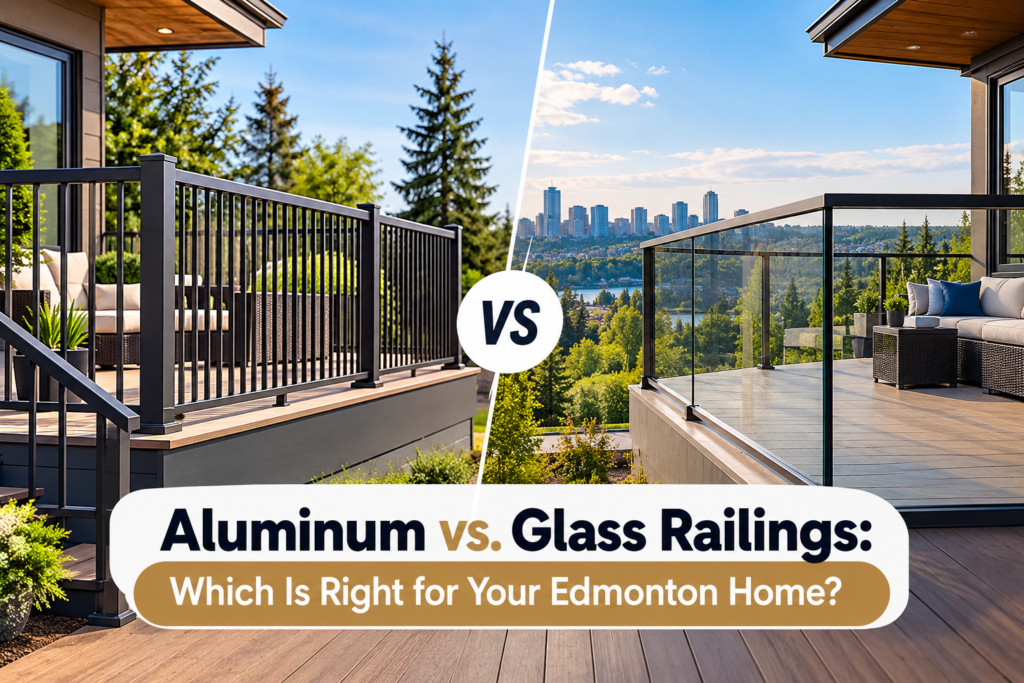
Choosing a railing system isn’t just a finishing touch. It’s a decision that affects safety, curb appeal, and how much time you’ll spend on maintenance down the road. Whether you’re updating a deck, balcony, staircase, or outdoor living space, the railing you choose plays a bigger role than most homeowners expect. For Edmonton homeowners, two materials consistently stand out: aluminum and glass. Both offer durability and style, but they perform differently depending on your design goals, lifestyle, and how much upkeep you’re willing to take on. Edmonton’s climate adds another layer to the decision. Snow, moisture, and shifting seasonal temperatures all play a role in how a railing system holds up over time. This article breaks down aluminum vs glass railings in Edmonton, covering their benefits, how they compare, and which option might work best for your home. Aluminum Railings: Features and Benefits What Are Aluminum Railings? Aluminum railings are a popular residential choice for decks, balconies, staircases, porches, and outdoor platforms. Their structured, versatile design makes them a practical fit for a wide range of home styles, from traditional to contemporary. Benefits of Aluminum Railings Aluminum railing systems are known for their durable construction and low maintenance needs. Most come with powder-coated finishes, available in a variety of colors, which help homeowners match their railing to their home’s existing architecture. Omega, for example, offers aluminum railing systems with powder-coated finishes in black, white, and bronze, along with a range of picket and glass-panel configurations. Because aluminum doesn’t require painting, staining, or sealing, it’s an appealing choice for homeowners who want a polished look without ongoing maintenance. It’s also suitable for both residential and commercial applications, which speaks to its versatility and structural reliability. Aluminum Railings and Edmonton Weather Edmonton’s climate brings cold winters, heavy snowfall, and significant seasonal temperature swings. These conditions put outdoor materials to the test. While no material is completely weatherproof, quality aluminum railings are engineered to resist corrosion and maintain their finish over time. Proper installation and professional-grade materials go a long way toward ensuring your railing performs well year after year, regardless of what Edmonton’s weather brings. Glass Railings: Features and Benefits What Are Glass Railings? Glass railings incorporate glass panels into a railing system, often paired with an aluminum frame. They’re commonly used on decks, balconies, staircases, and patios, particularly in modern residential designs where an open, unobstructed look is a priority. Benefits of Glass Railings The biggest draw of glass railings is the open, contemporary appearance they create. Glass panels allow for unobstructed views, greater visual openness, and more natural light. This makes them a strong choice for homeowners who want their outdoor space to feel larger and more connected to the surrounding landscape. Glass also integrates well with modern architecture and doesn’t require painting or staining. Its smooth surface can be cleaned relatively easily, though it does require more frequent attention than aluminum to stay looking its best. Omega describes its glass railing systems as suitable for both residential and commercial applications, with a minimalist appearance that pairs well with aluminum framing. Are Glass Railings Suitable for Edmonton? Glass can absolutely be used outdoors in Edmonton, but the key is proper design, specification, and installation. Not every glass system is automatically suited to every property or weather condition, so it’s worth working with a provider who understands how to engineer glass railings for Alberta’s climate. Aluminum vs. Glass Railings in Edmonton: Key Differences Here’s how aluminum and glass railings compare across the factors that matter most to homeowners: Factor Aluminum Railings Glass Railings Appearance Structured, versatile Modern, open Visibility Partially obstructed depending on design Excellent visibility Maintenance Generally low Regular glass cleaning required Privacy More options depending on design Limited unless privacy glass is used Durability Durable and lightweight Durable when properly specified and installed Design flexibility Multiple styles and colors Strong modern aesthetic Cleaning Simple routine cleaning Glass requires cleaning to maintain clarity Best suited for Traditional and modern homes Contemporary homes and view-focused spaces Appearance Aluminum tends to create a more defined, architectural look, while glass emphasizes openness and visibility. The right choice often comes down to whether you want your railing to stand out or blend into the background. Maintenance Aluminum generally requires only routine cleaning to stay looking sharp. Glass, on the other hand, may need more frequent attention to prevent fingerprints, dust, and water spots from becoming noticeable, especially after rain or snow. Views If preserving a view is a priority, glass is hard to beat. It’s particularly useful for homeowners who want to take in gardens, backyards, landscapes, or outdoor entertainment areas without visual interruption. Privacy Traditional aluminum pickets can offer more visual separation than transparent glass, depending on spacing and design. If privacy is a concern, this is worth factoring into your decision. Budget Pricing for either material depends on several variables: railing length, design complexity, glass specifications, installation requirements, mounting method, and site conditions. Rather than assuming one material is automatically cheaper, it’s best to get a project-specific quote that accounts for your home’s unique needs. Which Railing Is Better for Your Edmonton Home? There’s no universal answer here. The better option depends on what matters most to you. Choose aluminum if you prioritize: Consider glass if you prioritize: Consider a Combination of Aluminum and Glass You don’t have to think of this as an either-or decision. Many homeowners find that combining aluminum and glass gives them the best of both worlds. An aluminum-framed glass railing brings together aluminum’s structural strength with glass’s open, modern appearance, all while offering room for customization. Omega’s product range includes aluminum systems with glass-panel configurations, making this hybrid approach an option worth exploring. What to Consider Before Installing a Railing in Edmonton Before committing to a railing system, walk through this checklist: Omega states that its products are engineered and designed to comply with applicable building-code requirements and offers documented design and installation specifications, which can simplify this process for homeowners. Why Choose Omega Aluminum Railing

How Much Do Aluminum Railings Cost in Alberta? (2026 Pricing Guide)

aluminum railing cost in Alberta

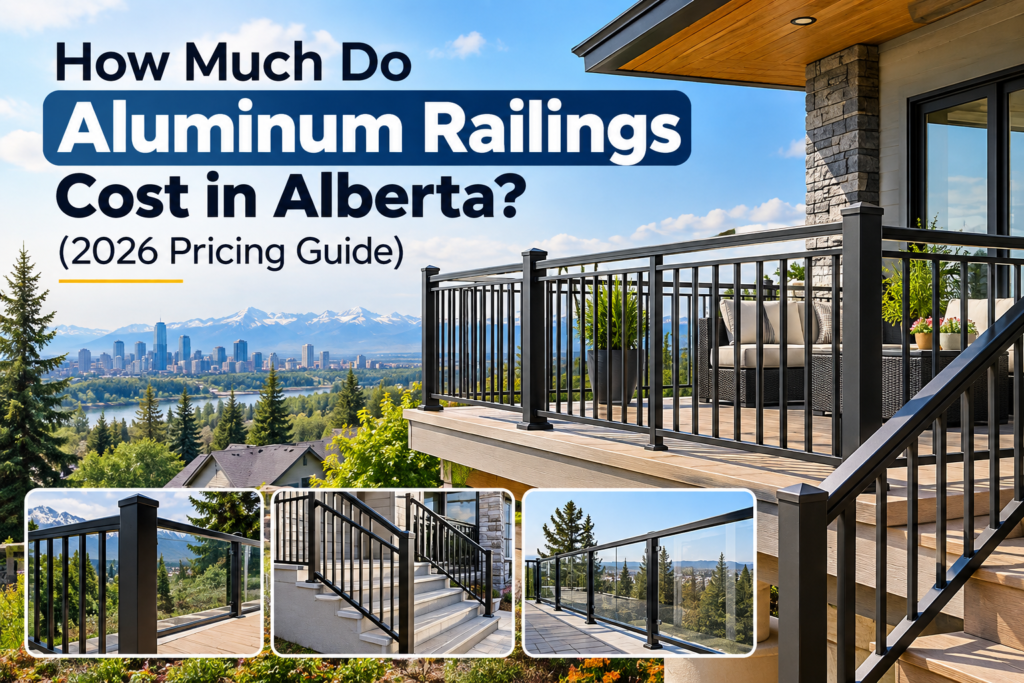
Alberta’s weather doesn’t make life easy for outdoor structures. Between freeze-thaw cycles, heavy snow loads, and intense summer sun, railings on decks, balconies, and staircases take a beating year after year. That’s part of why aluminum has become such a popular choice for homeowners and commercial property owners across the province. It holds up to the elements, requires very little upkeep, and gives decks and patios a clean, modern look that wood and vinyl struggle to match. If you’re planning a railing project, you’ve probably already asked the obvious question: how much does an aluminum railing cost in Alberta? It’s a fair question, but it doesn’t have a single answer. Pricing depends on the length of railing you need, the design and finish you choose, whether stairs are involved, and how complex the installation turns out to be. This guide breaks down what goes into aluminum railing pricing in 2026, so you can budget realistically and ask the right questions when requesting quotes. Average Aluminum Railing Cost in Alberta in 2026 Aluminum railing projects in Alberta are typically priced one of three ways: per linear foot, per stair section, or as a complete project that bundles materials and installation together. Each approach has its place depending on the scope of the job and how a contractor structures their quotes. Pricing can also shift depending on where you’re located. Material and labor costs in Edmonton and Calgary don’t always match what you’ll find in Red Deer or smaller Alberta communities, so a quote that applies to one city may not translate directly to another. Because so many variables are at play, it’s worth treating any online pricing figure as a starting point rather than a final number. The most reliable way to understand what your project will cost is to request a quote based on your specific dimensions, design preferences, and site conditions. Here’s a general overview of what influences your final price: Project Factor Potential Impact on Cost Railing length Longer systems increase material and labor costs Railing style Decorative or custom designs can cost more Stairs More complex installation can increase costs Finish/colour Specialty finishes may affect pricing Installation Labor and site conditions influence total cost Custom fabrication Unique dimensions or layouts may increase cost What Factors Affect Aluminum Railing Cost in Alberta? 1. Total Railing Length The amount of linear footage you need is one of the biggest drivers of cost. Larger decks, wraparound balconies, and expansive patios naturally require more material, which increases both the cost of the railing itself and the labor needed to install it. Before requesting quotes, it helps to have a rough measurement of your total railing length so contractors can give you a more accurate estimate. 2. Railing Design and Style A basic aluminum railing system with simple vertical pickets will typically cost less than a decorative or customized design. Options like privacy panels, glass infill combinations, or unique picket profiles add visual interest and architectural detail, but they also add to the price. The right style often comes down to balancing your budget with the look you’re going for. 3. Deck and Stair Configuration Straight runs of railing along a single deck edge are generally the simplest and most cost-effective to install. Staircases, corners, landings, and multi-level installations require more precise measurements, additional cuts, and more labor time. If your project includes stairs or an irregular layout, accurate measurements become especially important for getting a reliable stair railing cost estimate. 4. Colour and Finish Standard powder-coated finishes are usually the most economical option, while custom colors or specialty finishes can affect the final price. Finish selection isn’t just about aesthetics, it also plays a role in how well the railing holds up to Alberta’s climate over time, so it’s worth weighing cost against long-term performance. 5. Installation Requirements Labor is a significant piece of the overall cost. Factors like removing existing railing, working around difficult site access, dealing with uneven mounting surfaces, or completing additional site preparation can all influence the final quote. Two homes with identical railing lengths can end up with very different installation costs depending on these conditions. 6. Customization and Fabrication Not every property fits neatly into standard railing dimensions. Custom angles, unusual layouts, and specific architectural requirements often call for professional fabrication, which can increase costs compared to off-the-shelf systems. For properties with unique design needs, this added investment typically pays off in a better overall fit and finish. Aluminum Railing Cost for Different Alberta Projects Deck Railings Deck railing costs are shaped by total length, railing height, the layout of the deck, and the surface the railing will be mounted to. A straightforward rectangular deck is usually more economical to outfit than one with multiple angles or varying heights. Stair Railings Stair railings tend to require more precise measurements and a more hands-on installation process than straight deck runs. Whether the application is interior or exterior can also factor into the approach and pricing, depending on the specific project requirements. Balcony Railings Balcony railings often come with specific safety requirements and design considerations, particularly for multi-story properties. The size of the balcony and the condition of the mounting surface both play a role in determining the final cost. Commercial and Multi-Unit Properties Commercial and multi-unit projects typically involve larger quantities of railing and more complex installation logistics than a single residential project. Consistency in design and a durable, uniform finish across multiple units or buildings are often top priorities for these types of jobs. Aluminum Railings vs. Other Railing Materials: Cost Considerations When comparing aluminum to wood, vinyl, steel, or glass, it’s tempting to focus only on the upfront purchase price. But the full cost picture includes installation, ongoing maintenance, longevity, how the material holds up to weather exposure, and whether it will eventually need repainting, refinishing, or replacement. Wood railings, for example, often come with a lower initial price tag but typically require regular staining or sealing to prevent weather damage. Vinyl can

Sleek and Stylish: Modern Interior Railing in Alberta

modern interior railing in Alberta

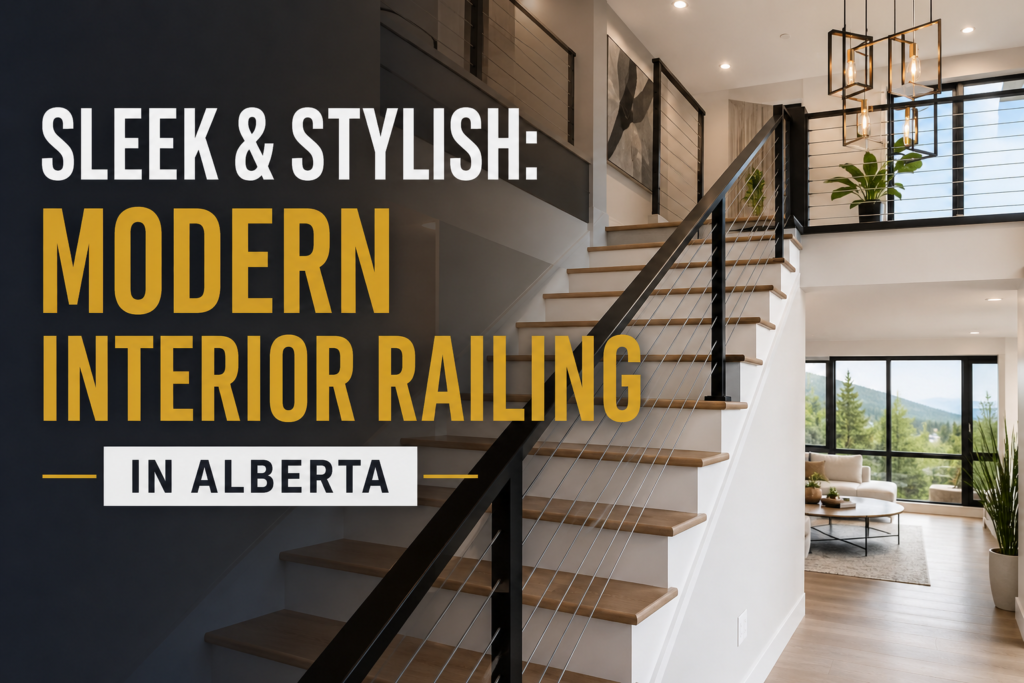
Clean lines. Open spaces. Uncluttered surfaces. Minimalist interior design keeps gaining ground in Alberta homes and commercial spaces, and one detail is quietly stealing the spotlight—the humble railing. Interior railings used to be an afterthought, a box to tick for safety. That’s changing fast. Today, a well-chosen railing can act as a genuine architectural feature, shaping how a staircase, loft, or landing looks and feels. A modern interior railing in Alberta lets you combine safety, durability, and contemporary style in one smart package. The good news? You have options. Aluminum, glass, cable, and picket designs each bring their own personality to a space. In this guide, we’ll walk through what makes a railing “modern,” the most popular styles in Alberta, and how to choose the right one for your home or business. What Makes a Railing Design “Modern”? Modern railing design is all about restraint. Instead of ornate details and heavy materials, the focus shifts to simplicity and function. A few features define the look: The right railing does more than meet code. It can elevate staircases, landings, lofts, and other interior areas, turning a purely practical element into a design highlight. Popular Modern Interior Railing Options in Alberta Not every space calls for the same solution. Here are four popular styles worth considering. Aluminum Interior Railings Aluminum offers a rare combination: lightweight construction with serious durability. It gives you a strong, dependable railing without the bulk of some traditional materials. Powder-coated finishes take things a step further, delivering a sleek, polished appearance that suits contemporary interiors. Aluminum railings are also low maintenance and highly flexible when it comes to design, which makes them a favorite for modern projects. Glass Panel Railings Want your space to feel bigger and brighter? Glass panel railings are hard to beat. Their transparent surfaces create an open, contemporary look while preserving visual flow and letting natural light travel freely through a room. Omega offers aluminum-and-glass railing solutions suitable for both residential and commercial applications, pairing the strength of aluminum with the airy appeal of glass. Cable Railing Systems Cable railings are the minimalist’s choice. Slim horizontal or vertical lines provide reliable safety without making a staircase feel heavy or closed in. Because the cables barely interrupt the eye, they keep sightlines clear and interiors feeling spacious. That makes them a strong fit for modern homes and commercial interiors alike. Modern Picket Railing Pickets aren’t just for traditional homes anymore. A contemporary interpretation of the classic picket railing can feel fresh and current, especially with the right configuration. Options such as mid-rail and open-mid-rail setups change the character of the railing, while different top-rail styles shift the overall look. Omega’s product range includes picket, picket-with-mid-rail, and glass-panel configurations, giving you room to tailor the design. Why Choose Aluminum for Interior Railings? Aluminum earns its popularity for several reasons: How Modern Interior Railings Improve Your Space A thoughtful railing choice pays off in more ways than one. Enhance Interior Aesthetics A well-designed railing can serve as a visual feature rather than an afterthought. Coordinate the finish with your flooring, cabinetry, doors, and lighting, and the railing becomes part of a cohesive design story rather than a standalone fixture. Create a More Open Feel Glass and cable systems reduce visual obstruction, so rooms feel larger and more connected. Minimalist profiles also make staircases appear cleaner and more spacious, which is a real bonus in compact or open-concept layouts. Add Safety Without Sacrificing Style An interior railing should provide dependable support and protection while fitting naturally into the home’s design. That balance matters. Choosing an appropriately engineered and professionally installed system ensures your railing looks good and performs reliably for years to come. Choosing the Right Modern Interior Railing in Alberta With so many options available, it helps to weigh a few key factors before making a decision: Taking the time to think through these points will help you land on a railing that looks great and works hard for your space. Why Work With Omega Aluminum Railing System? Omega Aluminum Railing System is an Alberta-based professional railing provider focused on aluminum and glass railing solutions for residential and commercial projects. One standout feature is its patented ULTRALOX INTERLOCKING® TECHNOLOGY, designed for efficient railing assembly and installation. Combined with customized railing configurations and multiple design choices, this gives property owners plenty of flexibility. Omega’s systems are designed to combine durability, low maintenance, safety, and contemporary appearance. The company states that its railing products are engineered and documented to meet applicable safety and durability standards. About Omega Aluminum Railing System Omega Aluminum Railing System provides aluminum and glass railing solutions for residential and commercial properties in Alberta. The company focuses on innovative railing systems designed to combine dependable performance with modern aesthetics. Its product range includes aluminum picket railings, glass-panel systems, cable railing, and different top-rail configurations. With customization options and professionally oriented installation solutions, Omega aims to help property owners create railing systems that complement their architecture while providing long-lasting functionality. The company emphasizes durable, low-maintenance products and offers multiple finishes and railing configurations to suit different design preferences. Upgrade Your Interior With a Modern Railing The right railing can transform an ordinary staircase into a polished architectural feature. By pairing contemporary design with durable aluminum, glass, or cable components, you get a result that looks sharp and stands the test of time. As you plan your project, think about your staircase layout, interior style, maintenance expectations, and safety requirements. Those details will point you toward the design that fits best. Ready to give your staircase a sleek new look? Explore modern railing options with Omega Aluminum Railing System and discuss your project with the team. Frequently Asked Questions

Top-Rated Railing Service in Edmonton for Every Home

Railing Service in Edmonton

A good railing does two jobs at once. It keeps your family safe on stairs, decks, and balconies, and it shapes how your home looks from the street. Get it right, and your railing feels like a natural part of the house. Get it wrong, and it sticks out like an afterthought. Edmonton homes face a tough test. Long winters, heavy snow, freeze-thaw cycles, and hot summer sun can wear down materials fast. That’s why local homeowners need a railing system built to handle daily use and shifting weather, not just something that looks nice on installation day. That’s where a reliable railing service in Edmonton comes in. Whether you’re upgrading a deck, balcony, staircase, or front porch, the right railing adds safety, style, and lasting value. Omega Aluminum Railing System offers aluminum and glass railing solutions for residential and commercial properties, focusing on durable, low-maintenance products and customizable designs. The best part? A well-chosen railing complements your home’s existing architecture instead of clashing with it. Let’s look at what makes a railing worth the investment and how to choose the right one. Why Quality Railings Matter for Edmonton Homes Railings are more than a finishing touch. They serve real, practical purposes that affect your daily life and your property’s long-term value. Improve Everyday Safety Railings give support where you need it most, on stairs, decks, balconies, and any elevated area. A properly designed system makes movement safer for kids, older family members, and guests. When someone reaches for a railing on an icy step, that firm, stable grip matters. Add Curb Appeal Modern railing designs give a home a cleaner, more finished look. The style you choose sets the tone for the whole exterior. Picket railings offer a timeless feel, while glass panels create an open, contemporary look. There are plenty of other styles in between, so you can match the railing to your home’s personality. Reduce Long-Term Maintenance This is where aluminum shines. Homeowners love it because it’s durable and easy to care for. Omega’s aluminum systems use powder-coated finishes designed for long-term durability and minimal upkeep. No yearly staining. No repainting. Just a quick clean now and then to keep it looking sharp. What to Look for in a Railing Service in Edmonton Choosing a railing contractor takes more than picking the lowest quote. Here are the main factors to weigh before you decide: Think beyond the price tag. A cheap railing that fades, loosens, or corrodes will cost you more over time. Focus on how the system will look and perform for years to come. Popular Railing Options for Edmonton Homes Different homes call for different railing styles. Here are the most popular choices. Aluminum Picket Railings A classic, versatile option that suits decks, stairs, porches, and balconies. Aluminum pickets deliver a clean look with real staying power. Omega offers picket railings in black, white, and bronze finishes, so you can pick the tone that fits your home best. Aluminum Railings With Mid-Rails Want something with a bit more character? Mid-rail designs add visual interest and extra structure. They’re a great pick for homeowners who want to move beyond a basic picket layout without going fully modern. Glass Panel Railings If you love an open, airy feel, glass panel railings are hard to beat. They preserve sightlines, which is perfect for decks with a view or contemporary homes that favor clean lines. Omega offers glass railing systems for both indoor and outdoor use. Custom Railing Designs Not every deck or staircase fits a standard mold. Odd angles, tight balconies, and unique layouts often call for a custom approach. Omega offers multiple railing styles and customizable configurations, so your railing works with your space instead of against it. Benefits of Choosing Aluminum Railings Aluminum has become a go-to choice for Edmonton homeowners, and for good reason: Omega states that its powder-coat finish is designed to resist cracking, chipping, blistering, and peeling under normal use and weathering, backed by a stated 20-year finish warranty. For a climate as demanding as Edmonton’s, that kind of protection carries real weight. How Professional Railing Installation Works A quality installation follows a clear process. Here’s what to expect: Omega highlights its patented interlocking technology and prefabricated railing components, which are designed to simplify and speed up installation. Why Choose Omega Aluminum Railing System? Omega Aluminum Railing System brings a strong mix of products and services to the table: Omega identifies itself as a professional railing provider offering both residential and commercial solutions, with a focus on durable products and thoughtful design. When Should You Replace Your Home’s Railings? Not sure if it’s time for an upgrade? Watch for these warning signs: One important note: if you spot serious structural or safety concerns, have them assessed by a qualified professional. Some issues go beyond a simple style refresh. Choose a Railing Style That Fits Your Home Still weighing your options? Use this quick guide to narrow things down: The best choice balances safety, durability, appearance, maintenance, and budget. When those five line up, you’ve found your railing. About Omega Aluminum Railing System Omega Aluminum Railing System is a professional railing provider serving residential and commercial customers with aluminum and glass railing solutions. The company focuses on innovative railing systems, customizable designs, durability, and low-maintenance construction. Its product range includes picket railings, glass panels, mid-rail configurations, and other aluminum railing options. Omega also highlights its patented ULTRALOX INTERLOCKING® TECHNOLOGY, which is designed to simplify railing assembly while delivering a strong, durable result. Its aluminum products come in several finish colors, including black, white, and bronze. For homeowners considering a railing service in Edmonton, Omega is a solid option for discussing railing styles, project requirements, and customized solutions. Invest in a Railing System Built for Your Home A quality railing is an investment in safety, function, durability, and appearance all at once. Aluminum and glass systems bring lasting strength, low maintenance, and a clean look that works with nearly any home style. If your

Glass vs. Aluminum: Best Interior Stair Railings for Your Home

Stair Railings Interior

Your staircase does more than connect floors. For many Edmonton homeowners, it’s the first thing guests see and a central feature of the home’s overall design. That’s why more people are treating stair railings as a design decision—not just a safety requirement. During renovations and new builds, upgrading stair railings interior in Edmonton has become one of the most popular ways to modernize a home without a full overhaul. The two materials dominating that conversation? Glass and aluminum. Both are durable. Both are stylish. But they serve different needs, suit different spaces, and come with very different trade-offs. This guide breaks down everything you need to know—appearance, maintenance, cost, durability, and how Edmonton’s climate factors in—so you can make the right call for your home. Why Interior Stair Railings Matter More Than You Think Safety Without Sacrificing Style Railings are a building code requirement in Edmonton, and for good reason. A properly installed railing provides secure handrail support for children, elderly family members, and anyone navigating the stairs in low light or a hurry. But code compliance doesn’t mean you’re stuck with something boring. Modern railing systems meet all structural and safety standards while offering clean lines, premium finishes, and architectural flair. The right railing doesn’t compromise safety for style—it delivers both. A Key Element of Interior Design A staircase railing creates visual flow through your home’s vertical space. Choose the right material and finish, and it ties together your flooring, walls, and lighting into a cohesive interior. Choose the wrong one, and it sticks out like a dated afterthought. Well-chosen railings also increase your home’s perceived value. For homeowners planning to sell, this is a renovation that pays dividends. Understanding Glass Interior Stair Railings What Are Glass Stair Railings? Glass railings use tempered safety glass panels, which are engineered to be significantly stronger than regular glass. When broken, tempered glass crumbles into small, blunt pieces rather than sharp shards—an important safety distinction. Glass systems come in two main styles: frameless (where panels are mounted directly into posts or base channels with minimal hardware) and framed (where an aluminum or steel frame holds each panel in place). Frameless systems have a cleaner, more minimalist look. Framed systems offer additional structural support and are generally more affordable. Benefits of Glass Railings Glass railings are a popular choice for homeowners who want a premium, contemporary aesthetic. The key advantages include: Potential Drawbacks Glass railings do come with a few considerations. Fingerprints and smudges show up quickly, especially in homes with children. They carry a higher upfront cost compared to aluminum systems. And keeping them looking pristine requires regular cleaning—likely more often than most homeowners initially expect. Understanding Aluminum Interior Stair Railings What Makes Aluminum Railings Popular? Aluminum is one of the most widely used railing materials for good reason. It’s lightweight but structurally strong, naturally rust-resistant, and finished with high-density powder coating that protects against wear and weathering. Maintenance is minimal compared to wood or wrought iron. Advantages of Aluminum Stair Railings For homeowners who want performance and versatility without overspending, aluminum is a strong contender: Possible Limitations Aluminum lacks the transparency of glass, which means it won’t deliver the same open, airy feel. Depending on the style of your interior, a powder-coated aluminum railing might read as more industrial than elegant. It’s a trade-off worth factoring in when your design aesthetic leans heavily toward minimalist luxury. Glass vs. Aluminum: Side-by-Side Comparison Feature Glass Railings Aluminum Railings Appearance Modern & elegant Contemporary & versatile Maintenance Moderate Low Durability High Very High Cost Higher More budget-friendly Privacy Low Moderate Light Flow Excellent Good Cleaning Frequent Minimal Lifespan Long Long Customization High High Which Stair Railing Fits Your Edmonton Home? Choose Glass If You Want: Choose Aluminum If You Want: Edmonton Climate Considerations for Interior Railings Even though stair railings installed indoors aren’t exposed to rain and wind, Edmonton’s climate still plays a role. The city experiences significant seasonal humidity shifts—dry winters, humid summers—along with temperature fluctuations that can affect materials over time. Winter months also bring indoor moisture from snow-covered boots tracking into the home and condensation from heating systems. These subtle environmental factors can degrade materials that aren’t designed for fluctuating conditions. Aluminum handles this exceptionally well. Its natural corrosion resistance means it won’t deteriorate from moisture exposure, and the powder-coat finish provides an additional protective barrier. Tempered glass also performs well year-round—it’s engineered to withstand thermal changes without warping or weakening. For homeowners seeking reliable stair railings interior in Edmonton, both materials hold up to local conditions. The difference comes down to aesthetics and maintenance, not structural performance. Design Trends for Interior Stair Railings in Edmonton Homes Edmonton’s home design scene has shifted significantly toward clean, modern aesthetics. Here are the trends homeowners and interior designers are gravitating toward: Can You Combine Glass and Aluminum? Yes—and this is increasingly the preferred approach for Edmonton homeowners who want the best of both materials. Hybrid systems pair the structural integrity of aluminum with the visual openness of glass, creating a railing that’s durable, low-maintenance, and genuinely stunning. Common hybrid configurations include: In most modern Edmonton homes, the glass-and-aluminum combination offers the most versatility—suitable for both renovation projects and new construction. Maintenance Tips for Long-Lasting Interior Stair Railings For Glass Railings For Aluminum Railings Professional Installation Matters Railing installation is not the place to cut corners. Accurate measurements, proper anchoring, and correct post placement are critical—not just for aesthetics, but for safety and code compliance. Edmonton’s building standards require railings to meet specific load-bearing and height requirements. A professional installer understands those standards and ensures your system passes inspection without revision. Experienced installers also bring the precision required to make glass systems look truly seamless—misaligned panels are a costly and frustrating mistake to fix after the fact. Beyond compliance, professional installation protects your warranty. Many manufacturer warranties, including the 20-year warranty on Omega Aluminum Railing System products, are contingent on proper installation. Why Homeowners Choose Omega Aluminum Railing System Omega Aluminum Railing System

Enhance Your Property’s Safety with Commercial Window Security Bars in Alberta

In the current age of technology, protecting one’s property has become very important. It does not matter if you have commercial or residential property; it is only wise to ensure that the premises are well guarded against unauthorized entry. To start with, one of the best ways to secure your windows and other openings is to install commercial window security bars in Alberta. These bars are able to aid in deterring break-ins and help enhance yours thanks to the added protection it offers. Why Install Window Security Bars in Alberta? There are a number of factors that make window security bars an appealing choice when searching for security measures for one’s property. Some of them include the following: Heightened Defense: They are a form of defense that also acts as a physical barrier that enhances the difficulty for an outsider to enter your premises. This degree of security is especially important for commercial buildings since they tend to have more valuable and sensitive information inside. Design Considerations: Contemporary security grills can be integrated into the structure of the building. For instance, in Alberta, most business premises are installed with security grills that are not only functional but also decorative and are able to complement the existing architectural design. Strength: In Alberta, where there are extreme weather patterns that include snow and windy conditions, for example, there is a need for materials that are impervious to such conditions. Security bars, which are normally made from strong materials such as steel or aluminum, are made to endure for years while still offering protection. Commercial Window Security Bars in Alberta: A Must for Businesses As a business property proprietor, you should not overlook or undermine the benefits and importance of window security bars. Due to the nature of their operations, businesses, especially those situated in an urban center or industrial areas, face risks of theft and vandalism. If owners of business establishments in Alberta are worried about breakins, security bars will help alleviate their concerns and protect the premises with ease. Advantages of security bars in a commercial setting: Prevention of Stealing: Commercial window security bars serve as the best deterrent to break-ins, making sure that the invading thief does not reach sensitive items such as the stocks in the storerooms, the machinery, as well as trade secrets from the office. Cheapness of security: Window bars have proven to be the most effective and the less costly final answer to security challenges of this nature in comparison to such measures as the installation of alarm systems or surveillance cameras. It is a one-off cost that does not incur service charges for many years or the need for purchasing replacement windows bars. Increased Property Value: There are instances when people may want to sell buildings that have these security amenities, and thus economic benefits are realized because they reach the buyers at a higher price than the market rate without these enhancements. Erecting Security Gates Near Me in Alberta: Fixing an Extra Layer of Security. Window security bars, although quite effective in minimizing the risk, are not the only effective asset for protection; security gates also play a significant role in ensuring that the property is secured. Security gates are more flexible in that they can be fixed on doors, windows, and even entrances, and this complements the protection of the property. Searching for’security gates near me in Alberta’ will lead you to a professional service that renders fitting gates in different styles and design materials for appropriate security purposes. You can have a sliding gate, swing gate, or retracting gate, as all these options can be tailored according to the unique design features of the client’s building. Benefits of Security Gates: Access Control: Security gates help manage the ingress and egress of people to and from a specific location, which aids in monitoring foot movement and controlling access effectively. Enhanced perimeter security: By placing gates around the borders of your property, the likelihood of trespassing or people idling around the area is decreased dramatically. This is especially true for expansive commercial spaces and warehouses. Visual Deterrent: Security gates, similar to window security bars, also serve as a protective reaction towards would-be intruders. Just having them around does reduce crime. Omega Aluminum Railing Systems: Construction Firm. Choosing durable, permanent security solutions can be a difficult decision for most people in Alberta. Omega Aluminum Railing Systems is engaged in the manufacture and delivery of high-quality security gates and window bars, so you can rest assured that the best materials and workmanship will be used in all aspects of your property. Several products are designed by Omega Aluminum Railing Systems and allow customers to choose the ones that not only provide safety but also match the style of their facades perfectly. If you want to put protective bars or gates at home or make them for a store, their specialists create the best-fitting options for every task. To find out more about their products, check out Omega Aluminum Railing Systems. Why Alberta Property Owners Trust Omega Aluminum Railing Systems There are a number of reasons why property owners in both commercial and residential areas of Alberta rely on Omega Aluminum Railing Systems. Quality Craftsmanship: Their products are built to survive in the prevailing harsh climates characteristic of Alberta, which means long-term security and reliability. Customization Options: It is understood that no two properties are ever the same, and Omega Aluminum Railing Systems appreciates this. In this regard, they have several customization options to ensure that your security gates and bars do not compromise on the provision of security, but the aesthetic value of your property is enhanced. Local Expertise: Being one of the reputable companies in Alberta, Omega Aluminum can easily relate to the security issues strange to its customers who run the businesses or even work on home projects. This allows them to install the ideal solutions as well as recommend the security measures that will be most effective for the task at hand.